Permits are rarely the most exciting part of a remodel, but they are one of the most important. Remodeling permits make sure that structural, electrical, plumbing and mechanical work is inspected and meets code. They protect your family, your investment and your ability to sell your home in the future.
In North Atlanta, the rules are not the same everywhere. Each city has its own building department, and unincorporated areas follow county rules. This guide explains when you need remodeling permits and how the process works in Alpharetta, Roswell, Sandy Springs, Dunwoody, Cumming and Forsyth County.
Why remodeling permits matter
It can be tempting to skip a permit to save time. In practice, unpermitted work creates bigger problems later:
- Safety. Inspections catch wiring, venting and structural issues before walls are closed.
- Insurance. Insurers may question claims related to unpermitted work.
- Resale. Buyers and inspectors often ask about permits for recent renovations.
- Fines and rework. Cities can require you to open finished walls for inspection.
A professional contractor treats permits as a normal part of the project, not an obstacle.
What usually requires a permit
While each office has its own rules, most North Atlanta jurisdictions require remodeling permits for:
- Removing or modifying walls, especially load-bearing walls.
- Adding or relocating plumbing fixtures and lines.
- Adding or modifying electrical circuits, outlets or lighting.
- Changing HVAC, ventilation or gas lines.
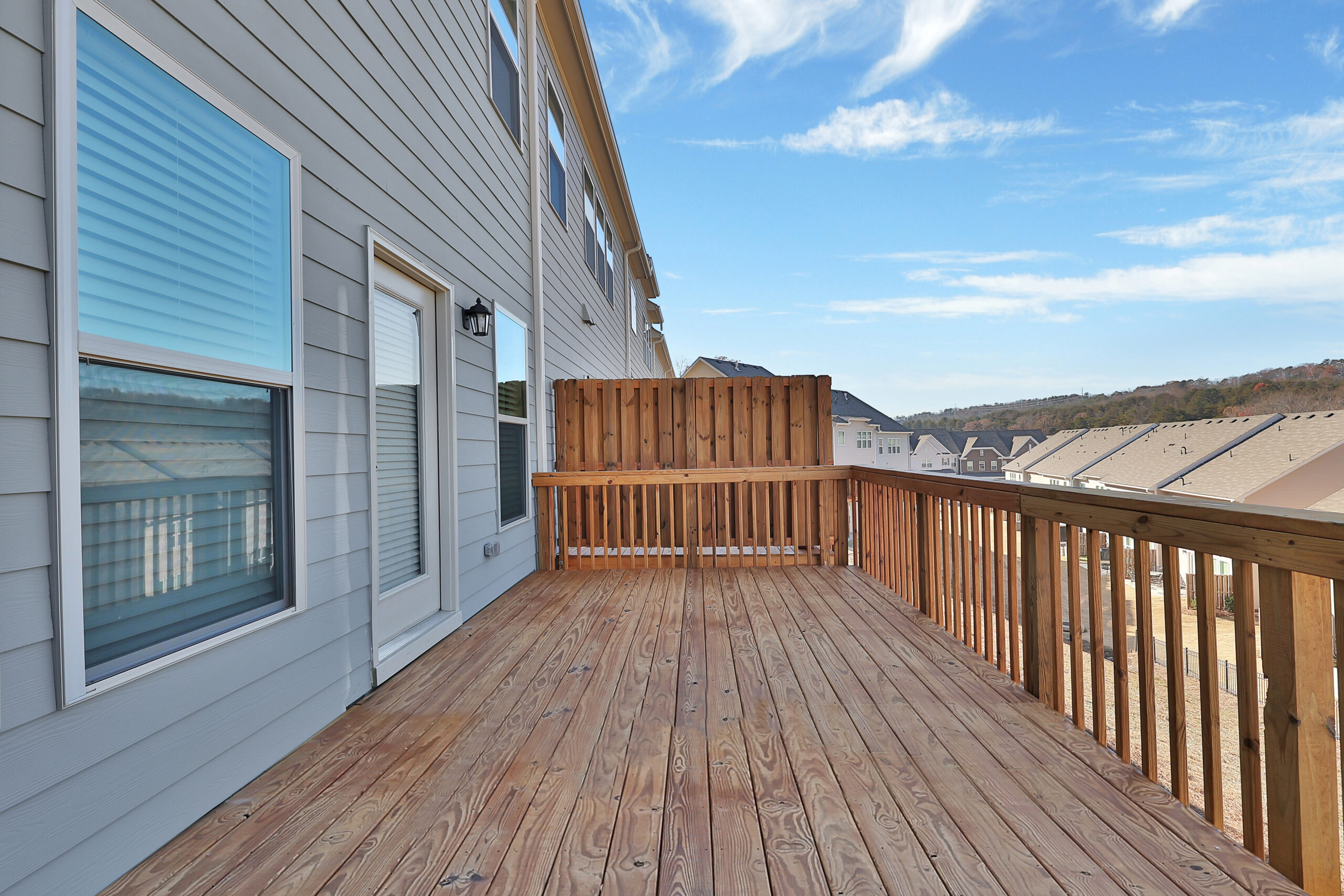
- Building or replacing a deck.
- Finishing a basement or adding living space.
Many projects require a building permit plus separate trade permits for electrical, plumbing and mechanical work.
What usually does not require a permit
Cosmetic work generally does not need a permit. Examples include:
- Painting and wallpaper.
- Replacing countertops without electrical or plumbing changes.
- Replacing cabinets in the same layout.
- Installing new flooring.
- Swapping a faucet or vanity in the same location.
When in doubt, confirm with the local office or your contractor. The line between cosmetic and permitted work can depend on small details.
Remodeling permits in Alpharetta
The City of Alpharetta handles residential permits through its Inspection & Code Enforcement team, located at 2 Park Plaza. Plans and applications are submitted through the city’s online permitting portal.
Interior remodels typically require a building permit plus separate mechanical, electrical and plumbing permits before work starts. Cosmetic updates, such as replacing countertops or cabinets without electrical changes, generally do not need a permit.
Many Alpharetta subdivisions also have homeowners’ associations. Interior work rarely needs HOA approval, but exterior changes such as new vents, windows or additions may.
See how this applies to local projects on our Kitchen Remodeling in Alpharetta page.
Remodeling permits in Roswell
The City of Roswell manages permits through its Community Development department and Building Division. Applications are submitted electronically through the Roswell Permitting & Licensing HUB.
Changes to walls, lighting, ventilation, plumbing or wiring typically require building and trade permits. Roswell also has a historic district around Canton Street. Interior work in that area is usually straightforward, while exterior changes may need additional historic review.
Our Kitchen Remodeling in Roswell page explains how this affects kitchens in East Roswell and near the historic district.
Remodeling permits in Sandy Springs
The City of Sandy Springs requires a permit when a licensed trade is involved: plumbing, electrical, mechanical or structural work. Applications and plans are submitted through the city’s online permitting portal. Permits may be pulled by licensed contractors or by owners for their permanent residence.
Sandy Springs also has many condos and townhomes. In these buildings, associations often require approval before work starts, set work hours and control access to shared plumbing lines.
Learn more on our Bathroom Remodeling in Sandy Springs page.
Remodeling permits in Dunwoody
The City of Dunwoody issues permits through its Community Development department. Interior remodels that change structure, plumbing, electrical or mechanical systems require building and trade permits. Applications and plans are submitted through the city’s online system, and inspections are scheduled at each stage of the work.
Many Dunwoody homes were built in the 1960s and 1970s. Remodels in these homes often uncover outdated electrical or plumbing that must be brought up to code. Our Interior Remodeling in Dunwoody page covers these projects.
Remodeling permits in Cumming and Forsyth County
This is where many homeowners get confused. Most addresses with a Cumming mailing address are actually in unincorporated Forsyth County. For those homes, remodeling permits are issued by the Forsyth County Department of Planning & Development. Homes inside the City of Cumming limits permit with the City instead.
The work that requires a permit is similar in both jurisdictions: structural changes, plumbing, electrical, mechanical work and decks. Many Forsyth County subdivisions also have HOAs with their own design rules for exterior changes.
See our Full Interior Remodeling in Cumming page for local examples.
Gainesville and Hall County
For homeowners further north, homes inside Gainesville city limits permit with the City of Gainesville. Unincorporated addresses permit with Hall County Building Inspections. The same principle applies: structural, plumbing, electrical and mechanical work requires permits and inspections.
How the permit process works
While details vary by office, the process usually follows these steps:
- Define the scope. The contractor documents exactly what will change.
- Prepare drawings. Some projects need floor plans or structural drawings from an engineer.
- Submit the application. Most North Atlanta offices accept applications online.
- Plan review. The office reviews the drawings and may request changes.
- Permit issued. Work can begin once the permit is approved and posted.
- Inspections. Inspectors visit at key stages, such as framing, rough-in and final.
- Final approval. The permit is closed once the final inspection passes.
Review times vary by office and by season. Planning ahead keeps permits from delaying your start date.
Inspections during a remodel
Inspections typically happen at these stages:
- Rough-in inspection: after plumbing, electrical and mechanical lines are installed, but before walls are closed.
- Framing inspection: when walls are modified or added.
- Insulation inspection: in some projects, before drywall.
- Final inspection: when the work is complete.
A good contractor schedules inspections so the project keeps moving. Failing an inspection is not unusual. The issue is corrected and reinspected.
Who should pull the permit?
In most cases, your contractor should pull the remodeling permits. When the contractor’s name is on the permit, the contractor is responsible for meeting code and passing inspections.
Some homeowners consider pulling an owner-builder permit to save money. Keep in mind that this makes you legally responsible for the work. If a contractor asks you to pull the permit in your name, ask why.
HOAs are separate from permits
Homeowners’ association approval and city permits are two different things. An HOA controls the look of the community. A city or county controls safety and code. Many projects need both, especially exterior work such as decks, windows and additions.
Check your HOA’s rules early. Some associations meet only once a month, which can add time to the schedule.
How Loyal handles remodeling permits
At Loyal Construction, we identify the permits, HOA reviews and inspections your project needs during planning. We prepare the documentation, submit applications to the correct office and coordinate every inspection. That way, construction starts on the right foot and finishes with a closed permit.
Remodeling permits for common projects
To make the rules easier to apply, here is how remodeling permits usually work for the projects we see most often in North Atlanta.
Kitchen remodels
Replacing cabinets and countertops in the same layout is generally cosmetic. Moving the sink, adding an island with plumbing or electrical, relocating the range or adding circuits typically requires a building permit plus trade permits. Removing a wall between the kitchen and another room requires a building permit and, if the wall is structural, engineering.
Bathroom remodels
Swapping a vanity or toilet in the same location is usually cosmetic. Converting a tub into a shower, moving fixtures, adding lighting or installing a new exhaust fan generally requires permits. Waterproofing itself is not always inspected, but the plumbing behind it is.
Full interior remodels
Whole-home projects almost always need several permits, often for structural, electrical, plumbing and mechanical work. Coordinating inspections across trades is one of the most important parts of managing these projects.
Decks
New decks, expansions and replacements require a building permit and inspections in most jurisdictions. Read more in our guide to Deck Permits in Forsyth County.
Documents you may need
The documents for remodeling permits vary with the scope. For most interior projects, the application includes:
- The property address and owner information.
- A description of the work.
- A floor plan showing existing and new conditions.
- Structural drawings from an engineer if walls or beams change.
- Contractor license and insurance information.
Exterior projects may also need a site plan showing setbacks and property lines.
Tips to keep permits from delaying your project
- Define the scope early. Changes after submission can restart plan review.
- Submit complete documents. Missing information is the most common reason for delays.
- Plan around busy seasons. Spring and summer are often the busiest months.
- Handle HOA approval in parallel. Do not wait for one approval to start the other.
- Schedule inspections promptly. Delays between stages add time to the project.
Remodeling permits and home sales
When you sell a home, buyers and their inspectors often look closely at recent renovations. They may ask whether work was permitted and inspected. Closed remodeling permits give buyers confidence and can make the sale smoother.
Unpermitted work can lead to requests for repairs, price reductions or delays at closing. In some cases, the buyer’s lender or insurer may ask for documentation. Keeping copies of your permits and final inspection records is a simple way to protect your home’s value.
Keeping records
After your project is finished, keep a folder with:
- The approved permit and plans.
- Final inspection approvals.
- The contractor’s warranty.
- Product warranties and care instructions.
- Paint colors and material selections.
These records are useful for future maintenance, insurance claims and resale. Loyal provides a certificate of completion at the end of every project, which you can add to this folder.
Frequently asked questions
Do I need a permit to remodel my kitchen?
If you change walls, plumbing, electrical or gas lines, you usually do. Replacing cabinets or countertops in the same layout is generally cosmetic.
Do I need a permit to remodel my bathroom?
If plumbing, electrical or ventilation changes, yes. Swapping fixtures in the same location usually does not require one.
How long does it take to get a permit?
It depends on the office, the project and the season. Simple trade permits can be quick, while projects with structural drawings take longer.
What happens if work was done without a permit?
The city may require you to obtain a permit after the fact and open walls for inspection. It can also complicate a future sale.
Does Loyal pull permits for my project?
Yes. We manage permits and inspections with the local office as part of every project.
Plan your remodel the right way
Remodeling permits are part of building a home that is safe, insurable and easy to sell. Understanding which office covers your address and what work requires a permit makes planning simpler.
Request your remodeling estimate or call (678) 771-5244. We will identify every permit your project needs before construction begins.