
Whole House Remodel
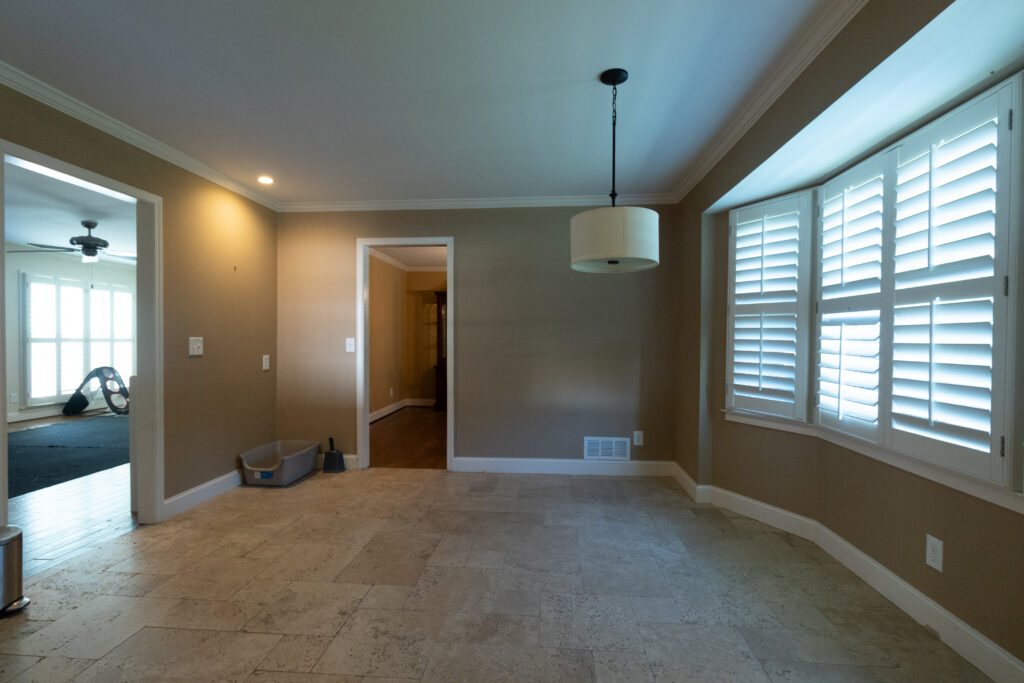
A whole house remodel is one of the biggest projects a homeowner can take on. It may include the kitchen, bathrooms, flooring, walls, stairs, lighting and systems, all at once or in carefully planned phases. Done well, it gives you a home that feels new without the cost and stress of moving. This guide explains how to plan a whole house remodel from the first idea to the final walkthrough. It covers priorities, budgeting, permits, scheduling and the question every family asks: can we live at home during construction? What counts as a whole house remodel? A whole house remodel, also called a full interior remodel, involves multiple rooms and trades in one coordinated project. Typical scopes include: The key difference from a single-room remodel is coordination. Every decision affects the others, so planning matters even more. Why remodel the whole house at once? Some homeowners remodel one room at a time over several years. Others prefer to do everything together. A whole house remodel has clear advantages: The trade-off is a larger upfront budget and a longer single project. Step 1: Define your goals and priorities Start by listing what is not working in your home today. Be specific: Then rank those items. Separate needs from wants. This list becomes the foundation of your scope and helps you make decisions if the budget requires trade-offs. Step 2: Understand your home The age and construction of your home shape the project. Mid-century homes Many homes in Dunwoody, Sandy Springs and Gainesville were built between the 1950s and 1970s. A whole house remodel in these homes often includes electrical and plumbing upgrades, along with layout changes. Our Interior Remodeling in Dunwoody page covers these projects. 1990s and 2000s subdivisions Homes in Cumming, Alpharetta and Johns Creek often have formal rooms that families rarely use and builder-grade finishes throughout. Remodels typically open the main level, unify flooring and upgrade the kitchen and baths. See Full Interior Remodeling in Cumming. Lake homes Older homes near Lake Lanier often have compartmentalized layouts that block the view. Opening the main level toward the water is a common goal. Our Interior Remodeling in Gainesville page explains these projects. Step 3: Set a realistic budget A whole house remodel budget depends on the number of rooms, the amount of structural work and the finish level. We group interior projects into three general levels: Project level What it usually includes Typical range Two-room refresh Flooring, paint, trim, doors and lighting across connected areas [$X – $Y] Multi-room remodel Kitchen or bath plus living areas, flooring throughout, electrical updates [$X – $Y] Whole-home remodel Layout changes, wall removal, kitchen and baths, stairs, full trade permits [$X – $Y] Set aside a contingency of [X]% for hidden conditions. In older homes, opening walls often reveals outdated wiring, plumbing or framing that needs attention. Where the budget goes In a whole house remodel, the largest categories are usually: For detailed breakdowns, read our Kitchen Remodel Cost and Bathroom Remodel Cost guides. Step 4: Plan the layout Layout decisions come before finishes. Ask yourself how you want to live in the home: If opening the floor plan requires removing a structural wall, plan for a structural engineer, a new beam and a building permit before construction starts. Step 5: Make selections early A whole house remodel involves hundreds of choices: cabinets, countertops, tile, flooring, fixtures, hardware, lighting, paint and trim. Late selections are one of the main causes of delays. We recommend finalizing most selections before construction starts. At Loyal, homeowners make their choices at our showroom in Cumming, where they can compare materials side by side. A free 3D render helps you see how the finishes work together. Step 6: Permits and inspections Almost every whole house remodel requires permits. Structural changes, plumbing, electrical and mechanical work all need them. The issuing office depends on your address, such as the City of Dunwoody, Forsyth County, the City of Gainesville or Hall County. Your contractor should identify and manage every permit. Learn more in Remodeling Permits in North Atlanta. Step 7: Phase the work Even when everything is done in one project, the work happens in a logical order: Some homeowners split the project into phases by area, such as the main level first and the upstairs later. This can reduce disruption or spread the budget over time. Can you live at home during a whole house remodel? In many cases, yes. It depends on the scope and your family’s needs. Living at home works well when: Moving out temporarily makes sense when: We review this with you during planning and design the schedule around your answer. Timeline A whole house remodel usually takes [X] to [X] months, depending on scope, permits, selections and lead times. The planning phase, including design, engineering and permits, often takes several weeks before construction starts. Choosing one contractor for the whole project Coordinating separate trades on a whole house remodel is difficult. Delays in one trade affect all the others. A single remodeling contractor with a dedicated project manager keeps the schedule, the budget and the communication in one place. At Loyal Construction, one project manager coordinates every trade from demolition to the final walkthrough. We are not a handyman service. We focus on complete remodels where planning and coordination make the difference. Energy and systems upgrades A whole house remodel is the best moment to upgrade the systems you do not see. When walls and ceilings are open, improvements cost less than they would later. Consider: These upgrades improve comfort and can reduce energy bills. They also prevent the frustration of opening finished walls a few years later. Communication during a whole house remodel A project of this size depends on clear communication. Before construction starts, agree on: Regular site meetings help you see progress, confirm details and make decisions before they cause delays. Mistakes to avoid A whole house remodel involves many decisions. The most common mistakes are: Avoiding these mistakes keeps the